Playing Pretend Never Stops: Imagination into Eroticism
Written by: Tamar Simone Weir
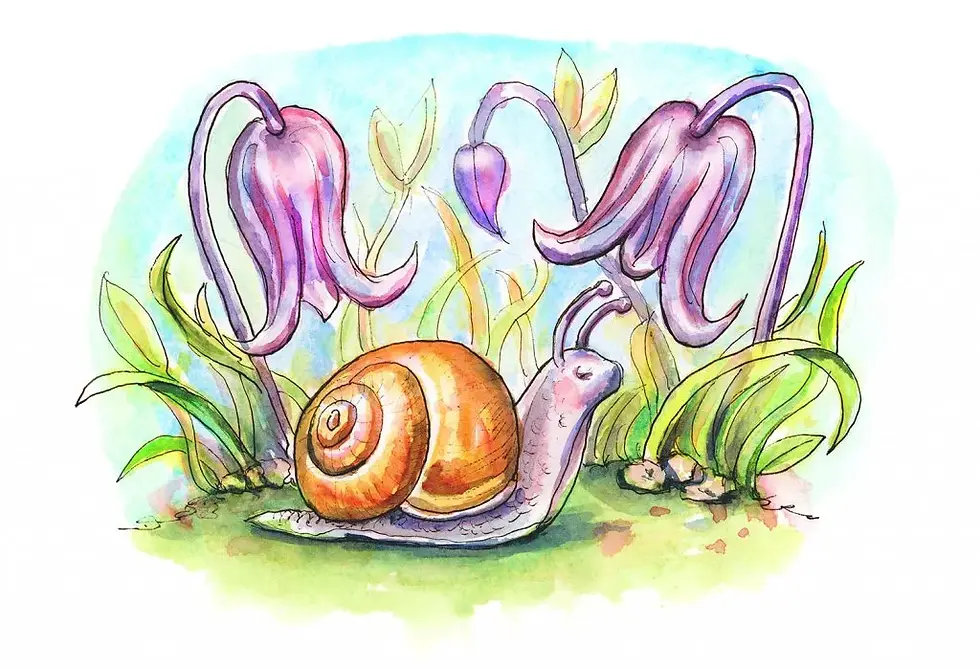
As a child, I had an active imagination. Like many, I had various imaginary friends and scenarios in my head, of life and this other universe. I would often go outside and make fairy houses delicately with moss, collected leaves, acorns, flower petals as the comfy bed, and adorn this little creation for an entire afternoon. The next day I would wait and investigate if fairies had truly lived in this home I had craftily designed and created. I would play teacher for hours, writing and erasing on this white board in my room, writing stories of fantastic moments and events, of best friends. I loved creating and imagining. Like many children, our instincts are to play, to push limits, to experience all that is in front of us, to get messy, to laugh, to fantasize, to combine worlds and not make "sense".
As I grew into my body, and into society, each year a bit of this imagination and exploration became smaller. I incorporated moments of this into my life, but the overall feeling of coming from a place of imagination felt more foreign, less practiced, and less naturally comfortable. It felt edgy, felt new again. Part of this shift was societal. Being socialized in the United States and in a more conservative small town, being playful and stepping outside of the box was not encouraged outside of my home. And while my inner home was a safe place for exploration, the outside world was not. I remember being very insecure about my physical appearnace coming into my teen body. I was a skinny mixed girl with no real representation of beauty that was me, full unibrow and all. I felt insecure in the normative and popular ways of dressing. Abercrombie and Fitch, Hollister, Pacsun, none of those brands made me feel good. Did I beg my mom to buy them for me? Yes. Did I walk into their overwhelming store in the mall and try on these tight skinny jeans and floral skirts? Yes. Did I shift my body and accommodate myself? Yes. but it didn't necessarily make me feel better.
One day I decided to be weird. I decided to not dress like I was being expected to, and to not be pretty. I began slowly, by telling myself I would not wear jeans for the whole school year. This was my mission. I had to go beyond jeans, and find other pants. And while this goal to me now is very easy, in 2012 this felt very very hard. I wore pants inspired by the 80's with bold colors and super flowy. The complete opposite of what I had previously begged my mom to buy me last school year. I used colorful eyeliner, blue and green were my favorite. Colored lipstick, all the colors of the rainbow. As I entered into this explorative space, I tried to always add another layer to this experience, go further. Every night before bed I would find one random object in my house or room and incorporate it into my outfit, add some string, glue it, somehow add this into my look. Some of my more extreme decisions were using a pool floaty as part of my skirt ensemble, using a trash bag as part of my shirt look, and using many many wigs. It got to the point that in the halls the other middle schoolers would bully me, they would comment negatively on what I was wearing, and shame me for "seeking attention" because I was not either wearing skinny jeans or a tiny little skirt and a tank top. The older girls would say comments to me as we walked past each other in the halls, and the teachers would shame me in front of the entire class for what I wore, and my distraction to the learning space. One teacher years later apologized to my mom and I for her behavior, coming to the conclusion many years later that her attitude towards me caused major harm. I was just an insecure girly getting boobs and wanting to be crazy in fashion, imagine and play. This experience always comes to mind when I think about imagination and fantasy.
Often times Imagination is a word reserved for children, used in contexts of the fields of creativity and youth. And fantasy is used in a more sensual context, to describe actions or desires of people in a sexual tone. I think there is a lot of overlap in these words and that there is a lot to learn when we use them together. At that time in middle school, my imagination led me to choose items, colors, textures for my body and my lived experience of explorative fashion. My fantasy was to be less insecure, to be different, to not have to confine myself to what a supposed 13 year old girl should be doing and looking like. My fantasy was to be a diva, to be weird, but also to be accepted.
A few pictures of me during these years.
As I grew into many layered versions and identities, I at times let go of imagination and at times felt heightened sensations of fantasy. But as children, engaging in roleplay creates narratives that enhance their capacity for connection, emotional intelligence and other valuable emotional skills. As we grow up, the essence of imaginative play shouldn't vanish completely, or be shamed into the depths of our being. I think that our desires and experiences are constantly shifting and expanding or contracting. For many adults the idea of fantasizing, or imagining feels immature, silly, or childish. I know at times it has felt like that for me. I also know that for many adults including myself, role play, fantasy, and imaginative play becomes a safe space to explore and feel liberation. To feel connection to myself and others. There are various studies that have examined relationship satisfaction in relationship to playfulness and role play in sexual settings within the framework of the relationship. Many studies have concluded that relationship satisfaction has greatly increased and is directly correlated to the leves of role play, imagination, and playfulness exhibited.
ROLE PLAY: Imaginative Expression
Role play can be explored in many different ways externally and internally. An internal expression is visualizing in your body and brain, creating scenarios in your head about who you are, or who you are trying to embody in that moment. This can be done independent of another person or the need to buy any items, this can be done in the mind and in the body. Can be done by creating a story, made up or real, or a combination of the two. If imagination seems so foreign to you, copying someone else is okay too, as a beginning in training the brain to find that creativity any way that feels accessible is a great place to begin. As children, we role play all the time. I used to fill my days up with hours of pretending to a teacher, I would grade papers and write on my dry erase board, anything I could recreate from watching my teacher in school. I would line up my animals and dolls and talk to them in this new role, because at that time I admired my teachers and wanted to be them. So naturally this is where my role playing took me. This then led different games of pretending to be fantastical animals in the wild, or best friends needing to go on an epic adventure with secrets and surprises along the way. None of my role playing scenarios or fantasies were that complex or unique to myself, I have heard many little kids playing these same scenarios even today, but what remains is the element of narratives and personas that get embodied through touch, talk, sight,smell, and taste. One or more of these senses gets activated within us or with our role play partners.

The Benefits of Incorporating Roleplay into Adult Relationships
Incorporating sexual roleplay into adult relationships can provide significant benefits. Here are a few that I have noticed although the list can go on and on.
Enhanced Communication
By adopting roles, partners may find it easier to talk about desires and boundaries. Setting the stage, the mood, the roles, all of this requires careful and thought out collaboration with communication. This can lead to a more honest dialogue regarding fantasies.
Reigniting Passion
Monotony can dull a relationship over time. I know that I fall into roles within a relationship at times without being consciously aware that I've put myself or my partners in a rigid role. Roleplay introduces excitement, helping partners rediscover the thrill of exploration. Couples that shared participation in novel and arousing activity for as little as 7 minutes, reported a general increase in relationship quality (Richard E Heyman 2000).
Strengthening Emotional Bonds
Collaboration during roleplay enriches emotional ties. This shared experience transforms sexual encounters into meaningful connections, allowing partners to feel more invested in each other. This can also be true for other relationships, family, friends, and lovers because although the context of the situations are different, the playfulness and openness to explore and use imagination are at the forefront.
Exploring Fantasies Safely
Roleplay offers a safe platform for exploring desires that might be impractical with outside factors of everyday life. Whether navigating power dynamics or creative scenarios, it allows for exploration without the consequences or anxieties that can come up for people when shifting complete dynamics in their everyday lives. This of course takes time, consensual agreements, and the willingness to explore without judgement or yourself or what the other people want to bring into the scene.
From Make-Believe to Eroticism...
Why Fantasizing Isn't Immature
As adults, we often overlook the impact of our imagination. Embracing this sense of wonder can unlock new avenues for not just sexual exploration, but also for creativity and connection. Roleplay serves as a powerful tool for self-discovery and personal growth. Accessing our imagination is an incredibly powerful tool in exercising our right for liberation. When we can envision other systems, other realities, other dimensions, we expand into what it means to feel free, what it means to be free with others, and what it means on a larger scale, to be liberated from what holds us down. Liberated from our fears, from our traumas, from our anxieties, and feelings of unworthiness. Expanding into the envisioning process, is one small but powerful way of accessing and exercising our inner life force.
Overcoming Barriers to Roleplay
Despite the benefits, many couples hesitate to incorporate roleplay into their relationships due to barriers such as:
Fear of Judgment
Concerns about how a partner might respond to fantasies can inhibit open dialogue. Encouraging discussions around these topics can help alleviate such worries.
Lack of Familiarity
Individuals who did not engage in roleplay as children may feel intimidated. Starting with small, comfortable scenarios can help build confidence over time.
Miscommunication
Misunderstandings about desires can create frustration. Spending time discussing preferences ensures partners are on the same page, reducing the likelihood of disappointment.
Setting the Stage: Tips for Successful Roleplay
Introducing roleplay into your intimate life can be fun and straightforward. Use these suggestions to help you get started:
Open the Conversation
Start discussing fantasies with your partner. Sharing ideas encourages curiosity and deepens vulnerability, making it easier to explore together. Creating a list that you share with others is a great way to take time to think and feel into what you want, or what you are open for. Also creating a list that is just for your own exploration is great too.
Choose Roles Together
Selecting roles that interest both partners enhances enjoyment. Ensure that both feel comfortable and excited about the scenarios you create. Being clear on what scenarios you feel comfortable with is necessary. Although, sometimes being open to improvisation and not knowing how you feel until the scene begins is equally as important, but in that case trusting that your partners will state when they start to feel uncomfortable or no longer want to continue is something that is necessary.
Set Boundaries
Establish safe words or signals to maintain a secure atmosphere. Always prioritize consent and comfort for all individuals. This is key because as you delve into new roles and scenarios that you are not familiar with new emotions, feelings, and sensations can come up, so creating the space for verbal or non verbal explicit cues for communication is crucial to ensure that everyone is having a good time in their expression and exploration. Setting agreements can help to create an atmosphere that feels fun and light while also being safe and secure. Using the concept of "boundaries" as something that is a hard no for you and that doesn't change. Then "limits" as something that you are available for or interested in but can change, adapt and flow through conversation and checking in.
Embrace the Fun
Remember that roleplay doesn't have to be serious. Let go of inhibitions and enjoy the playful aspect of pretending. The ultimate goal is to connect and have fun together. Costumes, makeup, food, music, lighting, a new space, can help get us out our own heads and into a more creative state.
Debrief Afterwards
After the experience, take some time to talk about what worked well and what could improve. This feedback can strengthen intimacy and set the stage for future play. Asking questions and being curious can help reframe and reinforce the roles that you are in and want to be in.
Sexual or nonsexual roleplay is more than a fun escape; it is a powerful way to enhance intimacy and communication in adult relationships. By reconnecting with the joy of imaginative play, partners can explore new dimensions of their sexual lives, leading to deeper understanding and fulfillment. Embrace the power of roleplay in your relationships, and you may find not just enhancement in your intimacy but also greater emotional well-being by letting go a lil bit.
Exploring this playful side requires vulnerability and courage, but the rewards can be really fulfilling. And expansive. As we shift and explore different identities and expressions, we can grow into many different versions of ourselves as we are not just one single thing, we are not always the same person, and we don't need to always stay in the same role....


Comments